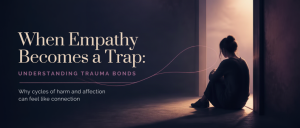
Sometimes a word, a tone of voice, a facial expression, or an ordinary situation can suddenly feel like an emergency. Your surroundings may be safe, yet your body is bracing, your thoughts are racing, or a powerful memory seems to arrive without warning. This response can be confusing and exhausting—especially when you cannot immediately explain why it is happening.
Trauma responses are not signs of weakness or overreaction. They are ways the brain and body may have learned to protect you during experiences of abuse, neglect, violence, betrayal, or prolonged danger. Understanding these patterns can create room for compassion and, over time, more choice. This post explores why triggers can feel so immediate, how trauma can affect your window of tolerance, and how safety-based boundaries differ from avoidance that keeps fear in control.
A grounding reminder: You do not have to prove that your experience was “bad enough” to deserve support. Your responses make sense in the context of what you have lived through.
Why an Ordinary Moment can Carry the Weight of the Past
Trauma memories are not always stored as a clear, orderly story. After overwhelming experiences, parts of memory may remain connected to sensations, emotions, body positions, sounds, smells, or expectations of danger. Later, a present-day cue can brush against one of those connections and activate a protective response before your thinking mind has time to assess what is happening.
The cue might be obvious, such as seeing a person who harmed you. It might also be subtle: a particular phrase, a raised voice, someone standing too close, a certain look, the feeling of being watched, or a sensation in your chest. The current situation does not need to match the past exactly. The nervous system may respond to a resemblance rather than a complete replay.
When this happens, the brain and body can react as though the trauma is happening now. Heart rate may rise. Muscles may tense. Breathing may change. You might feel an urge to run, fight, freeze, please, hide, or disconnect. These survival responses are not deliberate choices or moral failures. They are rapid protective patterns shaped by earlier conditions.
Intrusive Memories and Flashbacks are Real Experiences
An intrusive memory may arrive as an unwanted image, thought, feeling, dream, or body sensation. A flashback can feel even more immediate, as if the past has moved into the present. Some people see vivid images; others mainly experience terror, numbness, pain, shame, or the conviction that something terrible is about to happen. Not every trauma response looks the same, and people may move between several responses.
Unexpected triggers can feel especially overwhelming because the alarm system is fast while reflection is slower. By the time you recognise what has happened, your body may already be acting on a danger signal. That speed is part of the protective design—not evidence that you are choosing the reaction or losing control on purpose.
Trauma can Narrow your Window of Tolerance
The window of tolerance is a helpful way to describe the range in which you can stay present, think flexibly, and respond to life’s demands. Inside that range, stress is still possible, but it is more manageable. You can notice feelings without being completely swept away by them, and you have greater access to choice.
Trauma, chronic stress, sleep disruption, pain, isolation, and ongoing danger can narrow that window. Smaller cues may then push the nervous system into a high-alert state or a low-energy protective state. In high alert, you might feel panicked, angry, restless, watchful, or unable to settle. In a low-energy state, you might feel numb, foggy, detached, exhausted, or far away from yourself. These are different survival responses, not personal shortcomings.
The goal is not to stay calm every minute. No one can do that, and healing is not a straight line. A more realistic goal is to notice patterns, recognise when you are moving outside your usual range, and gradually build ways to return to the present with support. Regulation may mean slowing your breathing, orienting to the room, moving your body gently, resting, connecting with a trusted person, or reducing stimulation. What helps can vary from day to day.
A grounding question: When the relationship feels intense, is it also reliably respectful? Look for patterns over time—not only the moments of closeness that follow a crisis.
High-alert signs
Racing thoughts, clenched muscles, irritability, panic, rapid breathing, scanning for danger, or an urgent need to act.
Low-energy signs
Numbness, heaviness, disconnection, mental fog, sleepiness, difficulty speaking, or feeling far away from the moment.
Gentle reflection: What do you notice first when your system is becoming overwhelmed—a change in your breathing, thoughts, muscles, attention, or urge to withdraw? Noticing is information, not a demand to fix everything immediately.

Safety-based Boundaries are Different from Fear-based Avoidance
After harm, avoiding danger can be wise and protective. You are allowed to distance yourself from someone who threatens, manipulates, intimidates, or violates your boundaries. You are also allowed to leave an environment that is genuinely unsafe. Safety planning, limits on contact, and support from trusted people can be essential forms of care.
The distinction becomes important when fear begins to treat broadly safe people, places, or activities as if they are dangerous. Avoiding every conversation that might feel uncomfortable, every crowded space, every new relationship, or every situation where you cannot control the outcome may offer short-term relief. But if the world keeps shrinking, your nervous system may receive fewer opportunities to learn that some present-day experiences are different from the past.
This is not a suggestion to force yourself into situations that feel unsafe, nor is it a test of courage. Recovery should respect your pace, capacity, culture, circumstances, and actual level of risk.
A trauma-informed approach asks two questions together: “Am I protected from real danger?” and “Is fear asking me to give up more of my life than safety requires?”
When it feels safe and appropriate, you might reflect on:
- The cue: What happened just before the reaction—an expression, word, tone, sensation, place, or interaction?
- The present: What evidence tells me about this moment, separate from what happened then?
- The boundary: What limit would protect me without requiring my whole life to become smaller?
- The choice: What is one response available to me now, even if I still feel afraid?
Gentle ways to Reconnect with the Present
There is no universal technique that turns off a trauma response, and coping ideas are not substitutes for care. Still, small practices can sometimes help you orient to what is happening now. Choose only what feels safe and useful; you can stop if a practice increases distress.
- Name a few neutral details in the room, such as colours, shapes, sounds, or the temperature of the air.
- Place both feet on the floor or hold a familiar object while reminding yourself of the date, location, and facts of the present moment.
- Lengthen your exhale gently, without forcing deep breaths, or try a slow movement that helps you feel your body supported.
- Write down what you noticed before, during, and after a trigger. Look for patterns with curiosity rather than judgement.
- Contact a trusted person and use simple words such as, “I’m having a strong reaction and could use calm company.”
- Plan an exit, pause, or recovery period before entering a challenging but genuinely safe situation.
These practices are invitations, not assignments. Sometimes the most supportive choice is rest, distance, medical attention, or asking someone else to help you make a plan. Building present-moment safety can happen through repeated, manageable experiences: noticing what is different now, setting a boundary, receiving respectful support, and discovering that you have more options than the survival response first suggests.
You are Allowed to Build a Life larger than Fear
Trauma triggers can connect a present-day cue with past danger so quickly that the body responds before the mind can explain. Understanding that process can soften self-blame, while noticing your window of tolerance can help you recognise what support and regulation may be needed. Real safety deserves protection; broad avoidance does not have to define the limits of your life.
Recovery may include setbacks, pauses, and changes in direction. It does not require forgetting what happened or pretending that everything is fine. If this post resonates with you, consider learning more from reputable trauma-informed resources or taking one small step toward qualified support. You deserve care that respects your experience, your choices, and your pace.
Please Seek Support
If you are experiencing PTSD symptoms, ongoing danger, intrusive memories that disrupt daily life, or significant distress, consider reaching out to a qualified trauma-informed mental-health professional. If you are in immediate danger, contact local emergency services or a trusted crisis resource.
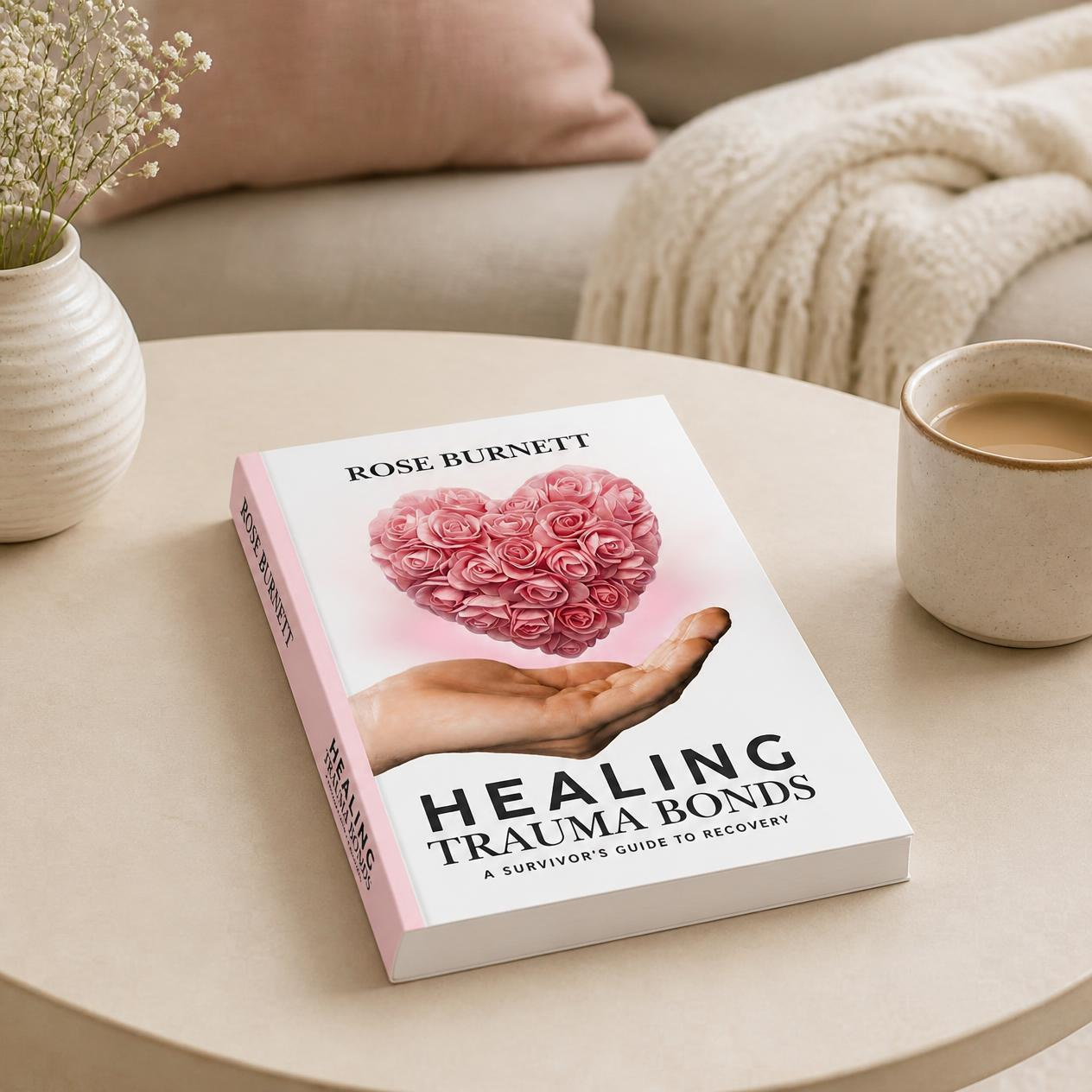
Healing Trauma Bonds: A Survivors Guide to Recovery
Based on a true story, this powerful book explores growing up in a dysfunctional family system and the lasting impact of childhood trauma. It reveals how early pain can shape our identity, self-worth, and the patterns that keep us trapped in trauma bonds. Honest and deeply personal, it speaks to anyone seeking understanding, healing, and freedom.
Available on Amazon in All Countries and Currencies. Choose your local Amazon platform for the best pricing on shipping and postage. Search using ASIN Number: B0HNR4H6XK

ABOUT THE AUTHOR
Rose Burnett is a Certified Transformational Coach, NLP practitioner, Advanced Reiki Practitioner, Psychic Medium and Author with more than 14 years’ experience in mindset coaching. Through her work in inner-child healing, family systems, trauma recovery, mind-body-soul balance, lifestyle coaching and psychic development, she helps people move towards greater awareness, self-discovery and inner growth. Her mission is to support others as they heal, reconnect with themselves and create more balanced, authentic lives.