Understanding Trauma Bonds
Sometimes the hardest relationship to leave is one that hurt you and occasionally comforted you. When fear and care become intertwined, the connection can feel confusing, powerful, and difficult to explain. This is often called a trauma bond—not a character flaw or a choice to be mistreated.
Understanding the pattern can replace shame with context. It can also make room for safer relationships, at your own pace.
When Harm and Care Keep Alternating
Trauma bonds often grow through a repeating cycle: tension, harm, distance or fear, then relief, affection, apology, protection, or a promise that things will change. The caring moments may be genuine, but their unpredictability can keep someone hoping and working harder for safety.
Remember: Relief after harm can feel powerful, but it does not make the harm acceptable—and it never makes the person experiencing abuse responsible for it.
How Childhood Can Train the Nervous System
Children depend on caregivers, so they adapt to whatever helps them get through the day. These responses are survival adaptations, not defects. They may make sense in context even when they create strain later.
- People-pleasing: prioritizing others’ moods and needs to reduce conflict.
- Codependency: over-focusing on another person’s wellbeing while losing touch with your own.
- Hyper-independence: refusing help because relying on someone once felt risky.
- Weak boundaries: struggling to say no, ask for space, or recognize what belongs to you.
- Hypervigilance: constantly scanning voices, expressions, and surroundings for signs of danger.
How the Pattern Can Follow Us
In adulthood, familiar dynamics may feel safe simply because they are familiar. Someone might over-explain, excuse repeated hurt, stay alert to a partner’s mood, or confuse consistency with boredom. These patterns can affect romantic relationships, friendships, and family connections.
Trauma bonds can occur beyond parent-child relationships, including in romantic relationships, friendships, families, cults, hostage situations, incestuous relationships, and military contexts. When fear, loyalty, dependence, and intermittent care are woven together, naming the pattern or leaving can be complicated.
Patterns can also echo across generations—not because harm is inevitable, but because survival strategies and relationship models can be passed on. Awareness can help interrupt that inheritance.
Moving Toward Safety and Support
Healing is not a demand to forgive, confront, or leave before you are ready. It can begin with noticing what your body and boundaries are telling you, finding one trustworthy person, and practicing small choices that increase safety.
Trauma bonds are complex. A trauma-informed mental-health practitioner may help you understand these patterns with care and without judgment. This article is for education, not medical advice.
Your adaptations were ways of surviving, not proof that you are broken. With support, time, and compassion, relationships can become more mutual, steady, and safe.
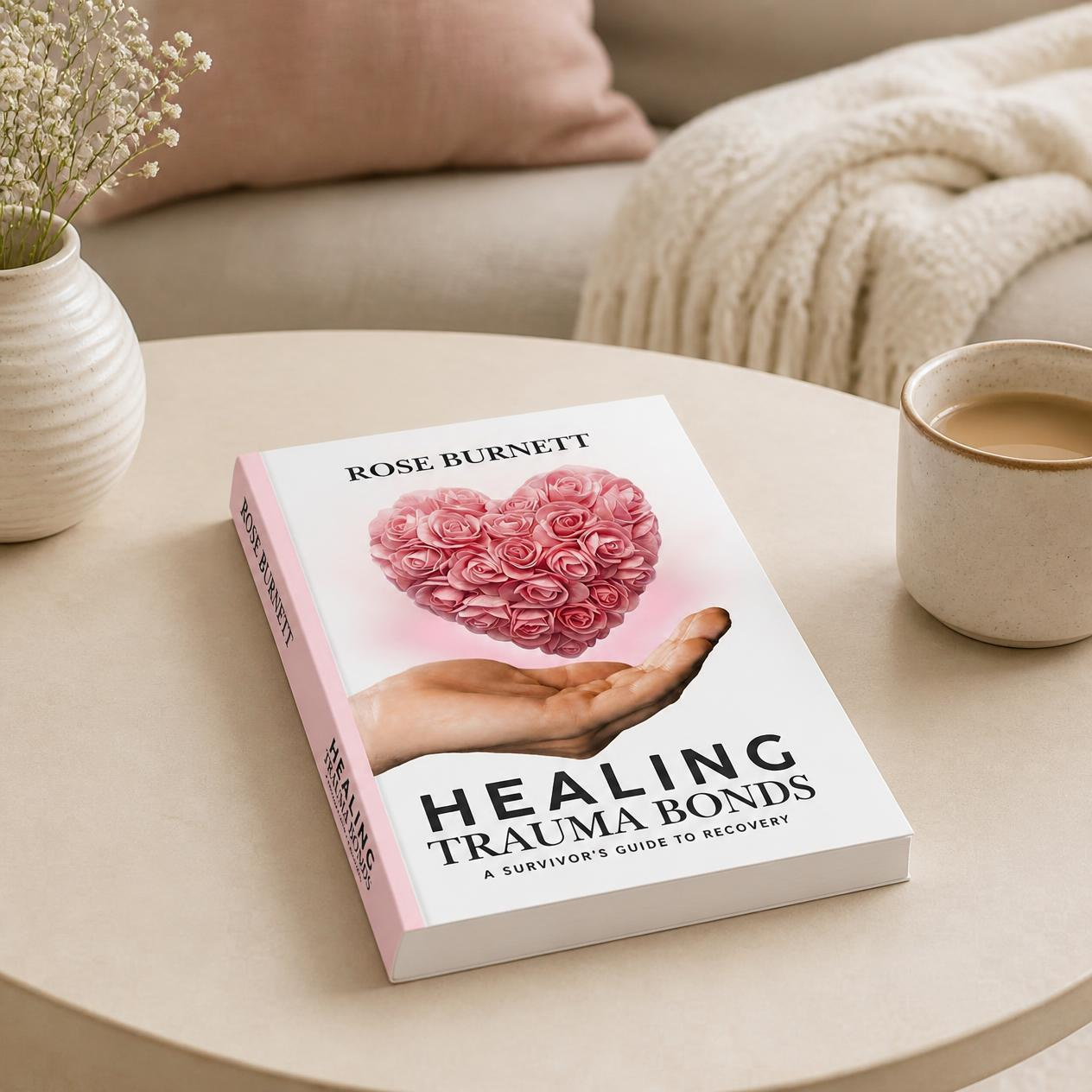
Healing Trauma Bonds: A Survivors Guide to Recovery
Based on a true story, this powerful book explores growing up in a dysfunctional family system and the lasting impact of childhood trauma. It reveals how early pain can shape our identity, self-worth, and the patterns that keep us trapped in trauma bonds. Honest and deeply personal, it speaks to anyone seeking understanding, healing, and freedom.
Available on Amazon in All Countries and Currencies. Choose your local Amazon platform for the best pricing on shipping and postage. Search using ASIN Number: B0HNR4H6XK
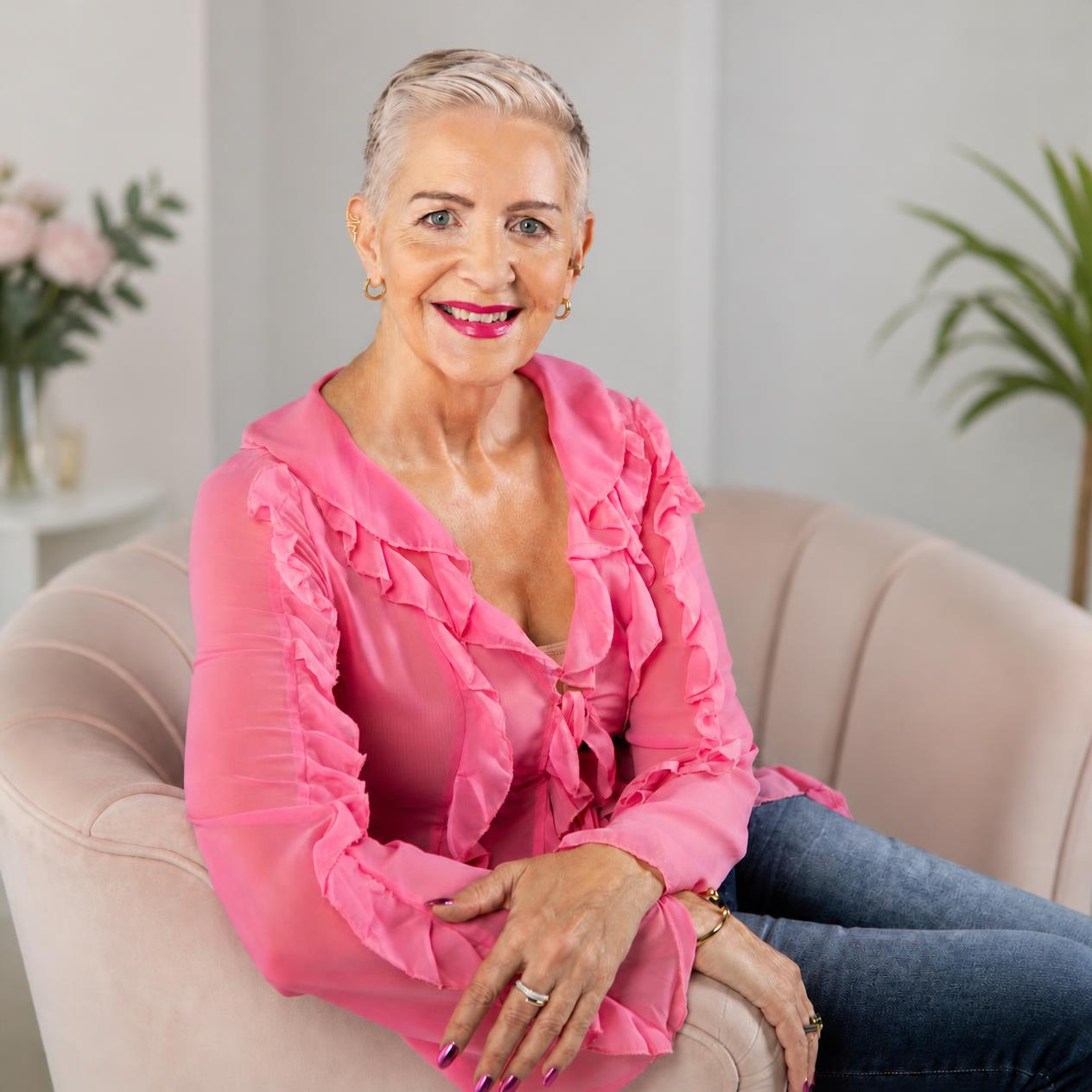
ABOUT THE AUTHOR
Rose Burnett is a Certified Transformational Coach, NLP practitioner, Advanced Reiki Practitioner, Psychic Medium and Author with more than 14 years’ experience in mindset coaching. Through her work in inner-child healing, family systems, trauma recovery, mind-body-soul balance, lifestyle coaching and psychic development, she helps people move towards greater awareness, self-discovery and inner growth. Her mission is to support others as they heal, reconnect with themselves and create more balanced, authentic lives.